Sep 10, 2026Buying Guides
What to Check in a Dog Waste Bag Pre-Production Sample
A practical private-label dog waste bag sample checklist covering dimensions, roll fit, perforations, seals, printing, packaging and revision control before mass production.
Approve a dog waste bag pre-production sample only after it matches the written specification, works in the intended dispenser or retail pack, and leaves a clear sign-off record. At minimum, check bag format and dimensions, material and thickness reference, bag count, core and finished roll fit, opening and perforation behavior, seals, color, scent, printing, packaging and any low-roll alert. If one of these changes after approval, identify it as a revision and review the affected part again before mass production.
First, define what the sample is supposed to prove
A sample cannot be judged against “looks good.” It needs an approved reference. Before inspection, place the sample beside the latest specification sheet, artwork, packaging dieline and dispenser reference.
The approval set should identify:
- Flat-top, vest-handle or drawstring construction.
- Bag width and length.
- Material and agreed thickness reference.
- Bags per roll or bags per pack.
- Perforated roll, pre-separated or interleaved dispensing format.
- Paper core, plastic core or coreless roll, when applicable.
- Color, opacity, scent and bag printing.
- Retail-pack structure, pack count and artwork version.
- Intended dispenser or dispensing carton.
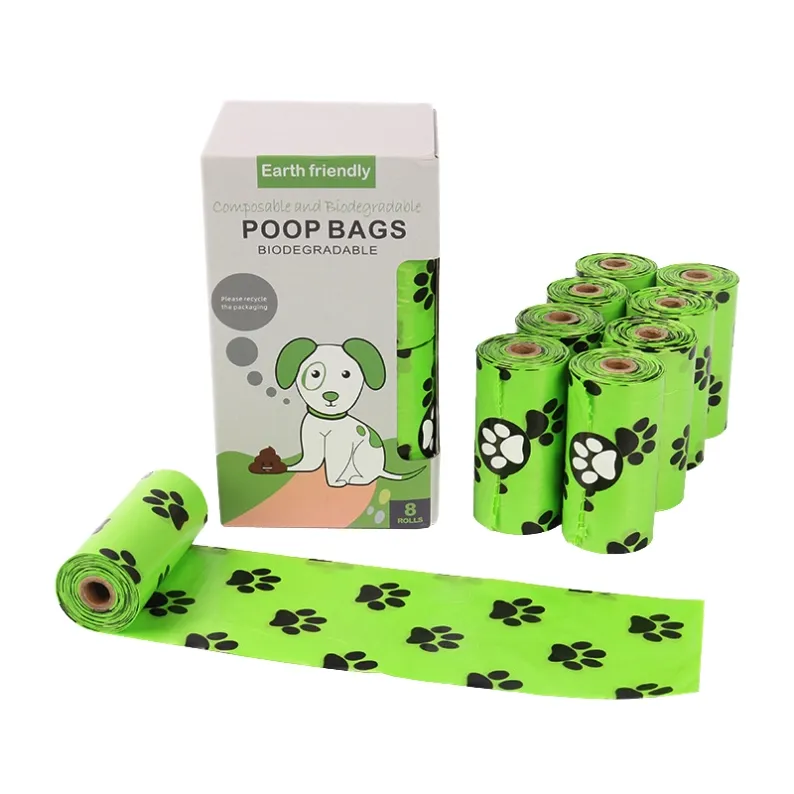
MIRICO's current materials show several valid combinations rather than one universal specification. Examples include 22.5 x 33 cm with 15 bags per roll, 23 x 33 cm with 16 bags, 26 x 33 cm with 20 bags and 30 x 33 cm with 10 bags. Record which combination the submitted sample represents; do not approve it under an imprecise label such as “standard roll.”
Use a controlled approval checklist
Check area | What to compare | Record before approval |
|---|---|---|
Product identity | Bag format, material reference, color and scent | Sample code or version and matching specification revision |
Dimensions | Bag width, length and construction details | Measured result and the order-specific tolerance supplied for the project |
Count | Bags per roll, rolls per pack or bags per pack | Count from the sample and pack configuration |
Roll construction | Paper core, plastic core or coreless; roll width and outside diameter | Core format and fit result with the intended dispenser |
Dispensing | Perforation, winding direction, first-bag pull or interleaving | Pass/fail observations and any snagging or double-feeding |
Bag handling | Opening, film feel, opacity, closure or handles | Observable differences from the approved reference |
Seals | Seal location, continuity and construction | Visual result plus any agreed order-specific test result |
Decoration | Bag print, registration, color and repeat | Artwork version and approved physical reference |
Retail packaging | Structure, count, label, barcode area and artwork | Dieline/artwork version and assembled-pack result |
Special feature | Low-roll alert or other requested feature | Position, color and number of alert bags |
Do not create acceptance numbers after the sample arrives. Dimensional tolerances and performance thresholds should come from the agreed project specification or documented test method. If they have not been agreed, mark them as open items rather than guessing.
1. Confirm bag format, usable opening and dimensions
Start by confirming that the construction is the one ordered. A flat-top refill bag, vest-handle bag and drawstring bag can share similar outside dimensions while providing different opening and closing behavior.
For the physical review:
- Lay the bag flat without stretching it.
- Confirm where width and length are measured.
- Check the opening and usable interior space.
- For vest-handle bags, inspect handle position and the intended tying action.
- For drawstring bags, check that the drawstring is accessible and closes evenly.
MIRICO's catalog shows both flat-top and drawstring examples at 23 x 33 cm. That does not make them interchangeable: the opening and closure construction change the way the product is used. Record the format together with the dimensions.
2. Verify count, thickness reference and finished roll geometry
Bag count alone does not define a roll. Film thickness, bag width, material, winding and core format influence the finished roll.
Count the sample roll if the count is part of the approval. Then record:
- Bags per roll.
- Roll width.
- Finished outside diameter.
- Paper core, plastic core or coreless construction.
- Winding and dispensing direction.
MIRICO's materials identify 9 x 13 inches, 15 bags per roll and 15 microns as popular references, but a buyer should approve the actual project specification rather than copy a popular configuration automatically. If the material, thickness or count changes, repeat the finished-roll and dispenser-fit check.
3. Test opening, perforations and dispensing in sequence
Inspect the sample in the same sequence the end user will experience it.
For a perforated refill roll:
- Locate and pull the first bag.
- Feed it through the intended dispenser slot.
- Separate several consecutive perforations.
- Watch for tearing into the bag body, weak attachment or multiple bags feeding together.
- Repeat the check as the roll becomes smaller.
For pre-separated or interleaved bags, inspect how consistently the next bag presents and whether the packaging supports the intended dispensing action. Do not apply a refill-roll test to a different dispensing system.
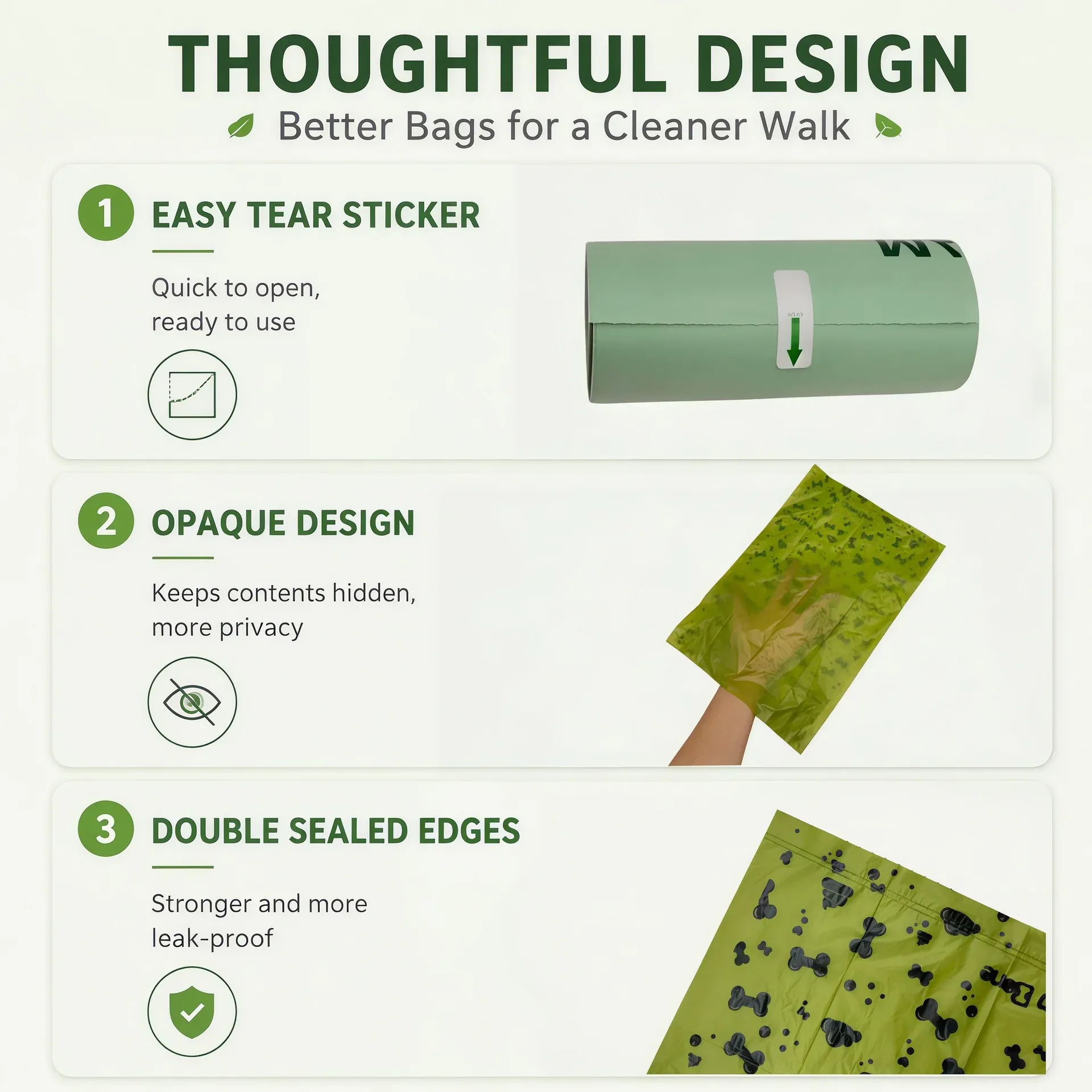
MIRICO's catalog also highlights easy-open marking. If easy-open identification is part of the project, confirm that a user can locate the opening without confusing it with the sealed end.
4. Check the roll and dispenser as one system
A refill roll can meet its nominal bag specification and still fail inside the selected dispenser. Test a full roll in the exact dispenser model or an agreed physical reference.
Confirm that:
- The full roll can be inserted without forcing or deforming it.
- The dispenser closes correctly.
- The roll aligns with any spindle or internal guide.
- The first bag can be found and pulled through the slot.
- The roll feeds without persistent snagging.
- Perforations separate without pulling unwanted extra bags.
- The system remains usable as the roll diameter decreases.
If the dispenser is supplied by another factory, provide its drawing or a physical sample. A photograph does not establish internal cavity width, slot geometry or spindle compatibility.
For more detail on selecting the input specification, see the dog poop bag size and roll-count guide and the paper-core, plastic-core and coreless roll comparison.
5. Inspect opening, film appearance and seals without inventing a test result
MIRICO's product materials emphasize easy opening, film feel/opacity and double heat seals. These are useful inspection areas, but a visual review should not be reported as a quantified performance test.
Compare the sample with the agreed reference for:
- Ease of finding and opening the bag.
- Film feel and visible consistency.
- Required opacity or translucency.
- Seal position and continuity.
- Double-heat-seal construction, when specified.
- Any visible contamination, holes or unintended creases.
If the purchase specification includes a leak, load, puncture, tear or seal-strength test, record the agreed method and acceptance value separately. This article does not provide universal pass values because MIRICO's supplied materials do not establish product-specific thresholds.
6. Approve printing, color and scent against physical references
Digital artwork is necessary, but it does not replace a physical sample for color, opacity, print appearance or fragrance.
Check:
- Correct artwork version and orientation.
- Print position and repeat.
- Legibility of text and symbols.
- Whether printing interferes with perforations, seals or easy-open identification.
- Bag color and opacity against the agreed reference.
- Scent against the agreed fragrance reference, if requested.
Describe differences with photos and reference points. Terms such as “slightly darker” or “stronger scent” are difficult to control unless both parties identify the comparison sample.
7. Assemble and inspect the complete retail pack
The product sample should be checked inside its intended packaging. MIRICO's materials show window and non-window boxes, hang-tab boxes, tuck boxes, display boxes, custom-shaped boxes and paper/header-card formats. Each structure creates different space and access constraints.
Review:
- Correct roll or bag count.
- Pack dimensions and closure.
- Whether rolls deform, unwind or move excessively.
- Product access and dispensing, if the pack is used as a dispenser.
- Artwork, barcode area, labels and required market information.
- Alignment of any window with the product.
- Strength and position of a hang tab or header card.
- Master-carton arrangement, if it is included in the approved sample set.
Environmental, recycled-content or compostability wording should be checked against the final material, finished product and the exact scope of applicable documentation before the packaging is approved.
8. Treat a low-roll alert as a controlled feature
MIRICO's catalog shows a low-roll option in which the last three bags turn red. If a project uses this feature, do not approve only the normal-colored part of the roll.
Unwind far enough to confirm:
- The agreed number of alert bags.
- Alert position near the end of the roll.
- Color and visibility.
- Whether branding or other printing continues on the alert bags.
- Whether the color change affects packaging claims or instructions.
Record this feature in the sample approval sheet so it is not treated as an informal request.
9. Create a sign-off record that production can follow
A useful approval record links the physical sample to controlled documents. Include:
- Supplier and buyer project reference.
- Sample code, date and revision.
- Product specification revision.
- Artwork and dieline revision.
- Dispenser reference, when applicable.
- Measured or counted results.
- Photos of important construction and packaging details.
- Open deviations and the person responsible for resolving them.
- Decision: approved, approved with clearly defined conditions, or revision required.
Keep one identified approval sample or an agreed reference set. If a later request changes material, thickness, bag count, core, printing, scent or packaging structure, issue a new revision instead of editing the old approval silently.
Common sample-approval mistakes
- Approving from photos without handling the physical roll and dispenser.
- Recording dimensions but not bag format, core or winding direction.
- Checking only the first perforation rather than several consecutive bags.
- Approving the bag and retail packaging separately without assembling them.
- Using “standard size” instead of a controlled width, length and count.
- Accepting environmental claims before verifying document scope for the final construction.
- Reporting a visual seal check as proof of a quantified strength or leak test.
- Allowing a post-approval material or packaging change without a revised sample.
What to send when a revision is required
Make the correction request specific. Send:
- Sample code and specification/artwork revision.
- A photo that identifies the exact issue.
- The required condition and the observed condition.
- The measurement or test method used, when relevant.
- Whether the change affects only one component or requires a complete reassembled sample.
- A request for a new revision identifier.
This reduces the risk of correcting one version while production follows another.
FAQ
Is a pre-production sample the same as a production inspection?
No. A pre-production sample establishes the approved construction and reference before mass production. Production inspection checks whether manufactured goods conform to the agreed specification and approval sample. The inspection plan and sampling level must be defined for the specific order.
Should buyers approve dog waste bags from photos?
Photos are useful for documenting visible details, but they cannot confirm film feel, opening, scent, perforation separation or dispenser fit. Use a physical sample for those decisions.
What must be retested if the bags-per-roll count changes?
Recheck finished roll diameter, dispenser closure, first-bag pull, feeding and retail-pack fit. A count change can alter roll geometry even when the bag dimensions stay the same.
What if no tolerance appears on the specification?
Do not invent one during inspection. Mark the tolerance as an open specification item, agree it with the supplier and record it before final approval.
Can one approval sample cover paper-core, plastic-core and coreless rolls?
No. Core construction can change the finished roll and its interaction with a dispenser. Review the exact construction intended for production.
What information should accompany a request for a MIRICO sample?
Send the bag format, dimensions, material and thickness expectations, bag count, roll/core or dispensing format, dispenser reference, color, scent, printing, retail packaging, target market, estimated order quantity and any claims or documentation that must be reviewed.
Explore MIRICO's private-label dog waste bag range, compare drawstring and standard-roll formats, and send the controlled sample brief through the MIRICO project inquiry page.