Dog Waste Bag Thickness: 12, 15, 18 and 20 Micron Compared
What a micron measures in dog waste bag film, how 12, 15, 18 and 20 micron bags behave in practice, and what to put in a specification so suppliers quote like for like.
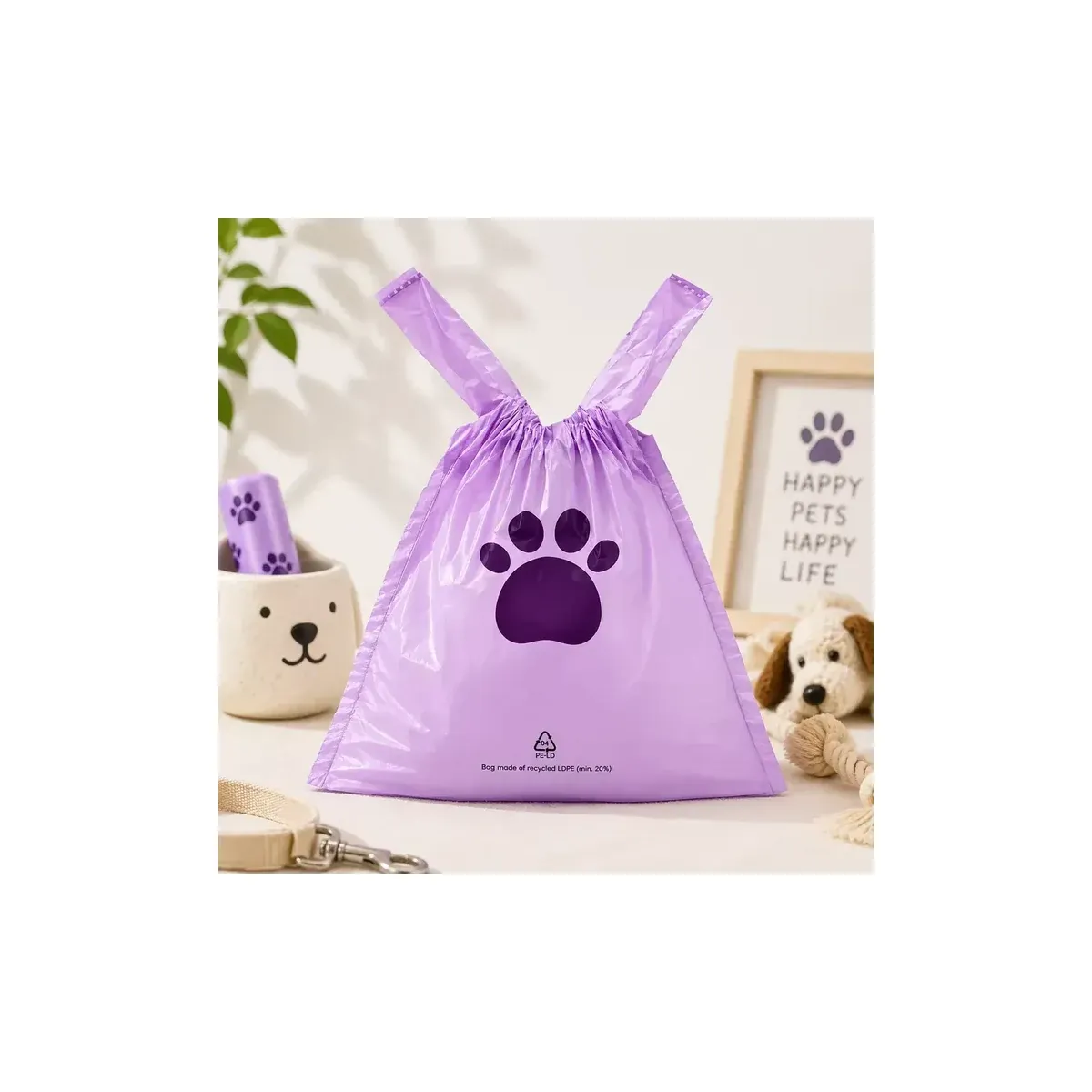
Thickness is one of the first specifications buyers ask about, and one of the easiest to misread. A thicker bag is not automatically stronger, and a thinner bag is not automatically cheaper per use once breakage and complaints are counted. This guide explains what micron ratings mean in dog waste bag film, how 12, 15, 18 and 20 micron bags behave in practice, and what to put in a specification so suppliers quote like for like.
What a micron actually measures
One micron is one thousandth of a millimetre. Dog waste bag film typically runs from about 10 to 25 micron. The number describes the nominal film gauge, not the strength of the finished bag. Strength comes from the resin grade, the blend (virgin, recycled or compostable), the extrusion quality and the seal. Two 15 micron bags from different factories can behave very differently.
12 micron: economy and short-use bags
12 micron film is the lightest gauge commonly used for dog waste bags. It suits short walks, low-cost promotional programs and markets where the bag is treated as a disposable accessory. The trade-offs are a thinner feel, less puncture resistance against twigs and edges, and a higher risk of seal failure if the extrusion is inconsistent. For retail programs with any quality expectation, 12 micron is usually too light.
15 micron: the volume standard
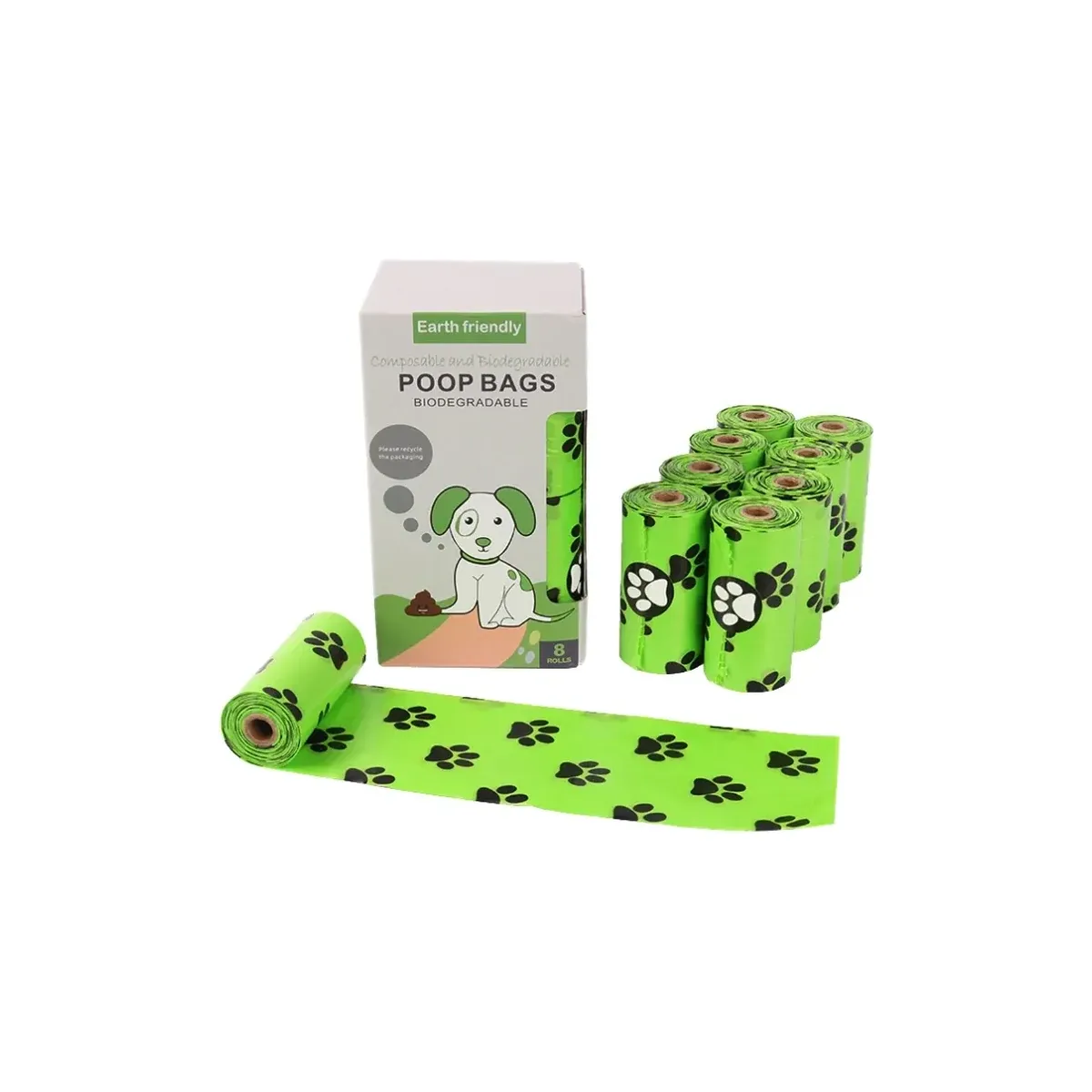
15 micron is the most common specification for private-label dog waste bags sold in retail. It balances hand feel, puncture resistance and unit cost, and it runs reliably on standard bag-making lines. Most 8-roll and 15-roll retail packs are built around this gauge. If you are launching a new private-label line and have no strong reason to choose otherwise, 15 micron is the safest starting point.
18 micron: premium hand feel
18 micron adds noticeable substance. Buyers use it when the brand positioning is premium, when the bag must feel thick through the pack, or when the product competes on perceived quality rather than price. The cost increase over 15 micron is usually modest per bag but compounds across large volumes. It also matters for compostable film, where certification thickness limits apply.
20 micron and above: heavy-duty and large formats
20 micron and heavier film is used for large bags, high-load applications and markets that expect a very thick bag. At this gauge, seal quality and resin choice matter more than the number itself. Very thick film can also be harder to tear from a roll and may not feed cleanly in every dispenser, so test the full pack, not just the film.
Matching thickness to your market
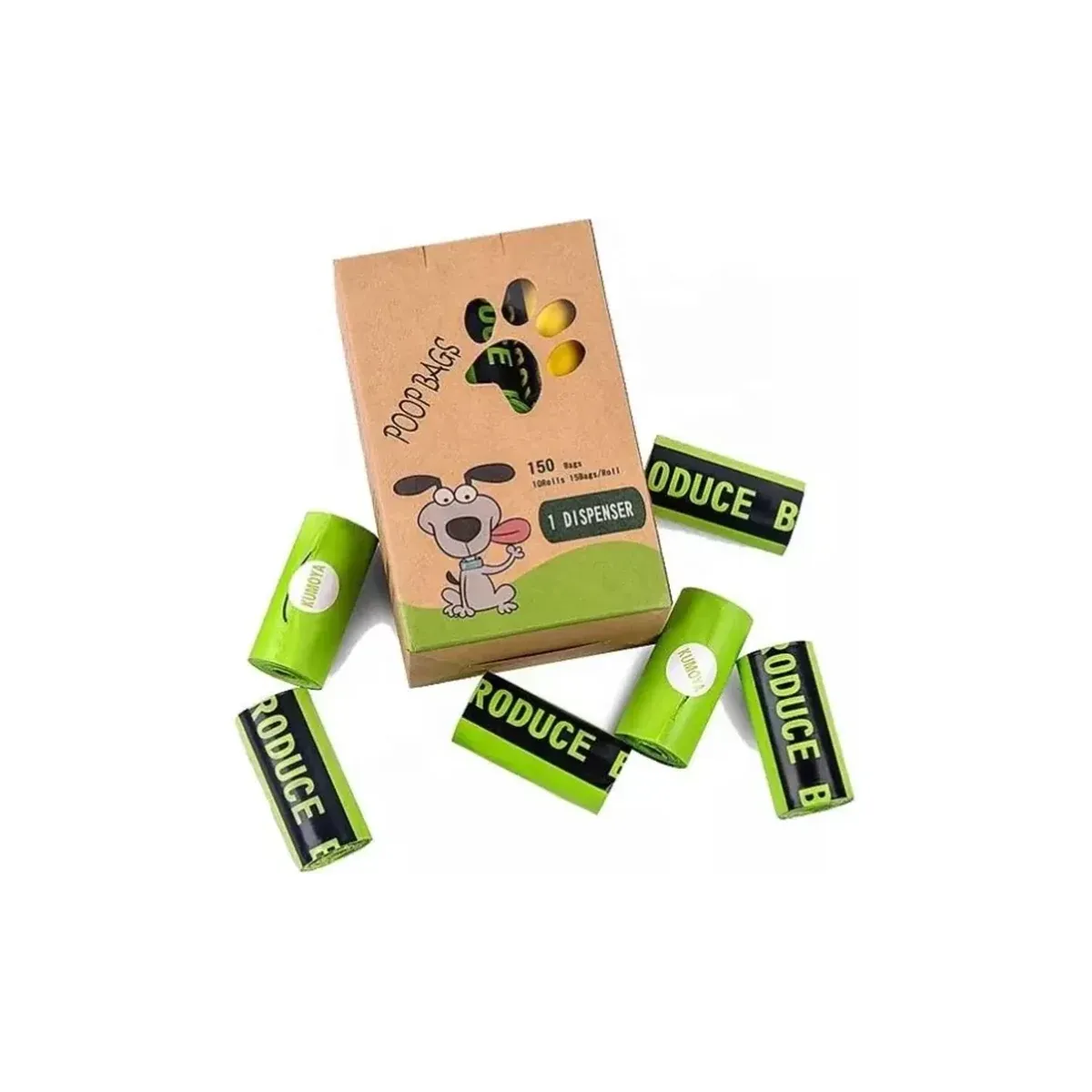
Three questions usually settle the choice: what the bag must survive, what the retail price point implies about perceived quality, and whether the bag runs in a dispenser. A dispenser with a tight opening can make a thick bag harder to pull; a very thin bag can tear at the perforation. Ask for samples at two gauges and test them in the actual dispenser.
What to put in the RFQ
State the nominal gauge, the tolerance you will accept, the resin type, the bag size, the roll count, the seal type and the packaging format. Ask the supplier to confirm the gauge they will run and how they measure it. If the product is compostable, confirm the certification thickness limit before fixing the gauge. A quotation that only says thick film is not comparable.
Related products and reading
MIRICO produces custom dog waste bags from 12 to 25 micron in roll, drawstring and dispenser-box formats. See our custom drawstring dog poop bags and easy-pull dispenser box for format options, or read what affects dog waste bag pricing before comparing quotes.