Sep 21, 2026
Custom Printed Dog Waste Bags: Artwork, Plates and Proofing
Print methods, colour counts, artwork requirements, plate costs and proofing steps for custom printed dog waste bag and packaging programs.
Custom printing is where a private-label dog waste bag program stops looking like a commodity. A printed roll inside a branded dispenser, packed in a printed retail box, is a product customers keep and recognise. This guide covers the printing decisions, the artwork requirements, and the proofing steps that keep a printed program on schedule.
What Gets Printed
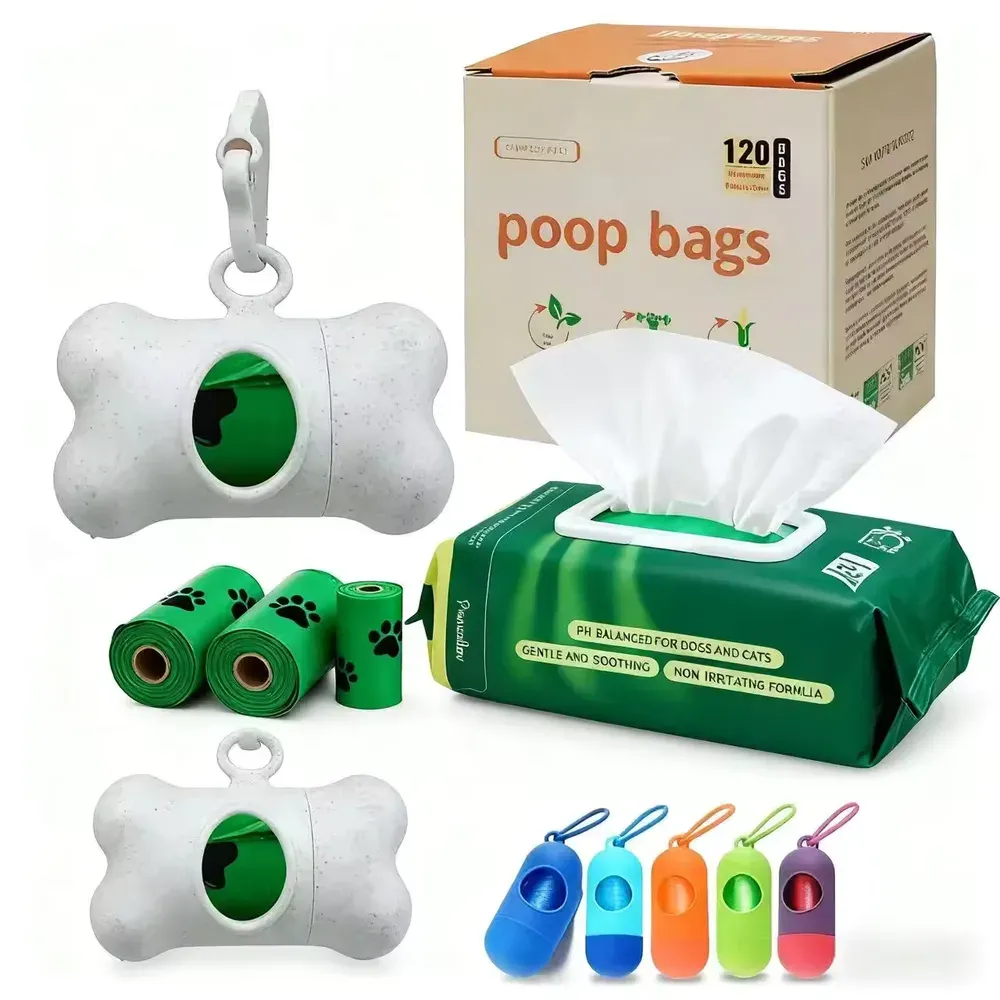
There are three printable surfaces in a typical program: the bag film itself, the retail box, and the dispenser or its card. Bag printing is usually a simple repeated mark or logo, because the film moves fast and stretches during production. Box and card printing carry the full artwork - brand colours, product claims, and layout. Planning all three together avoids a mismatched set at the end.
Print Methods and Colour Count
Film printing is typically flexographic, which handles solid marks and simple shapes well. Box printing supports richer detail through offset or digital methods depending on volume. In practice, most programs use one to four spot colours on film and full-colour artwork on the box. Ask what colour method is quoted - spot colour and process colour produce different results on film, and the quote should state which one applies.
Artwork Requirements
For reliable results, supply vector artwork (AI, EPS or PDF) with text outlined, or high-resolution raster files at the intended print size. Include brand colour references - Pantone codes where a specific match matters - and confirm the exact logo placement and size on each surface. Where the design will be scaled to fit a specific roll or box dimension, confirm that dimension in the spec before the artwork is finalised.
Plates, Tooling and Setup Charges
Custom printing involves one-time setup costs: print plates for film, and either plates or tooling for boxes. These are usually quoted separately from unit price and are paid once per design. Ask whether plates are stored for future orders - most suppliers keep them, which means a repeat order does not repeat the setup cost. Confirm this in writing when the program is first set up.
Proofing Before Production
Proofing runs in two steps: a digital proof for layout, wording and colour reference, then a physical sample for the actual result. The digital proof catches typographic and layout errors cheaply; the physical sample shows how the print behaves on the real material - film ink behaves differently from box board. Approve the physical sample against the final artwork, and keep signed versions of both.
Common Issues and How to Avoid Them
The recurring problems in printed bag programs are colour drift between the proof and production, registration misalignment on film, and artwork that was never checked against the actual roll or box dimensions. All three are prevented the same way: fix the specification first, supply production-ready artwork, and approve a physical sample made with the production materials.
What to Send for a Printed Quote
Prepare: the specification (size, thickness, roll count, packaging format), the number of colours on each surface, artwork files or a sketch of the intended design, Pantone references, and target volumes. With those items a factory can quote printing, setup and unit cost together, and tell you what the longest lead-time item will be - usually the plates or the box tooling.
MIRICO produces custom printed dog waste bags, dispensers and retail packaging for private-label brands, including film printing, box and card artwork support and matched colour across the set. Send your specification and artwork status, and we will confirm the printing method, setup costs and sample plan.