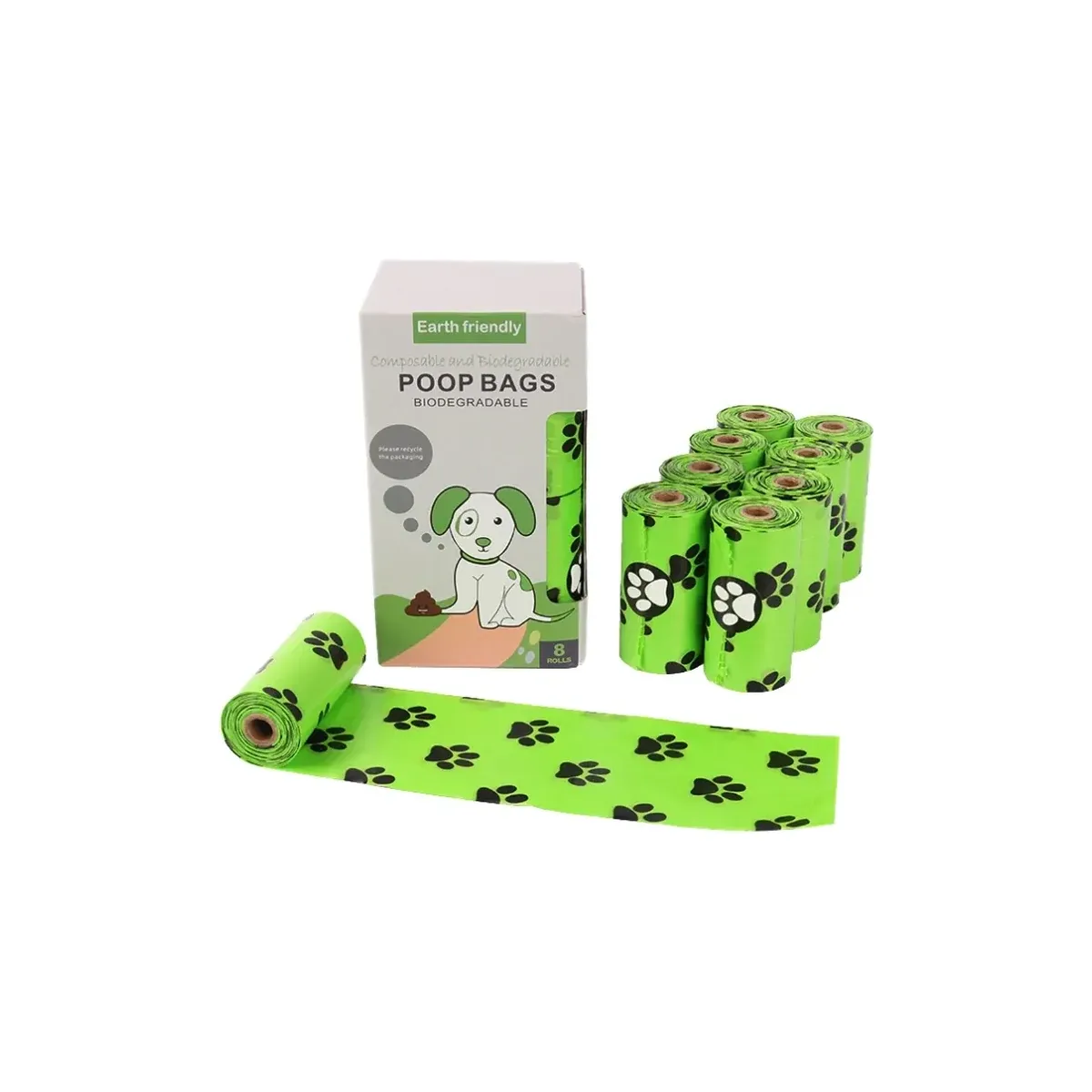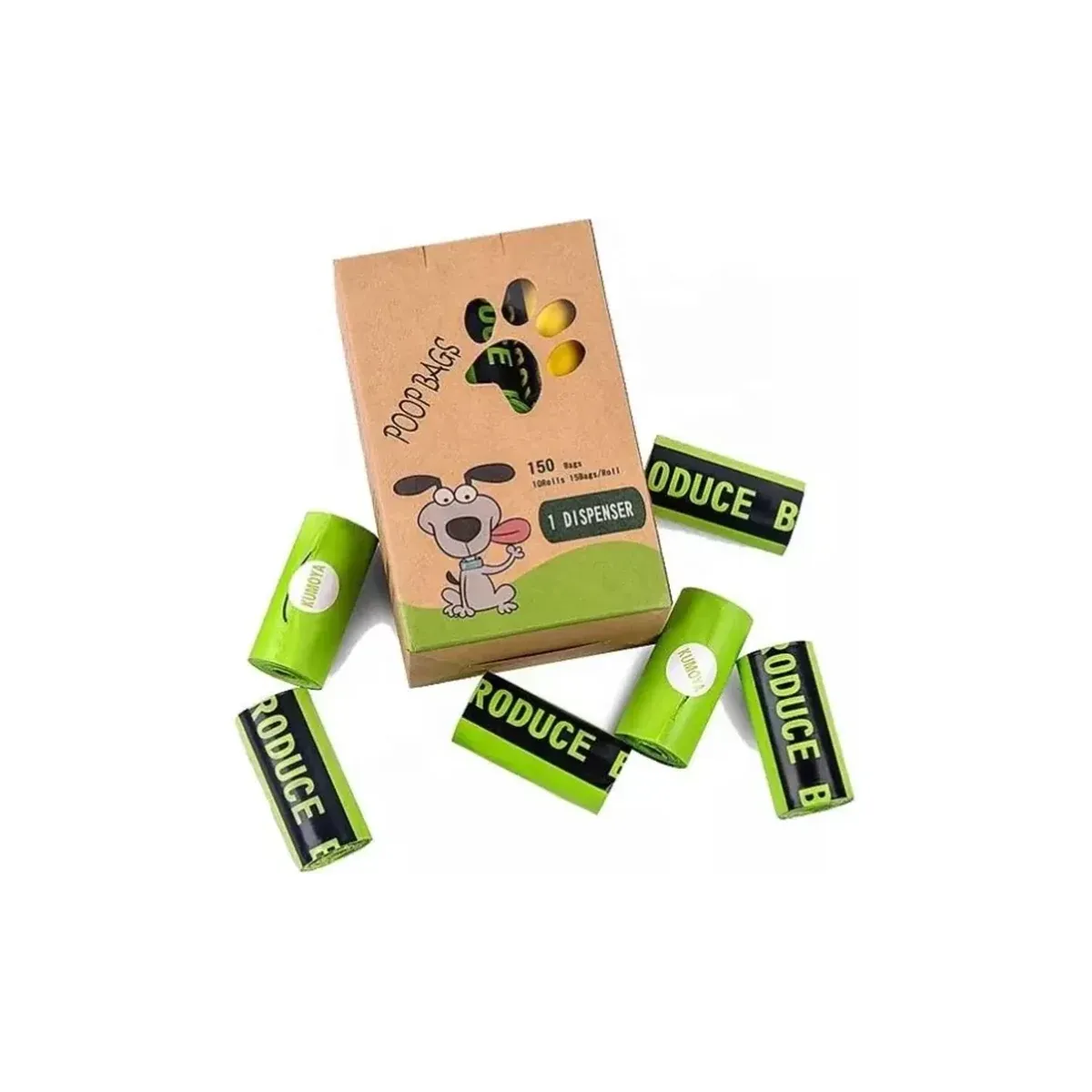
HS Codes and Import Duties for Dog Waste Bags: A Buyer's Guide
How dog waste bags are usually classified for customs, why the material changes the code, and which documents should travel with the shipment.
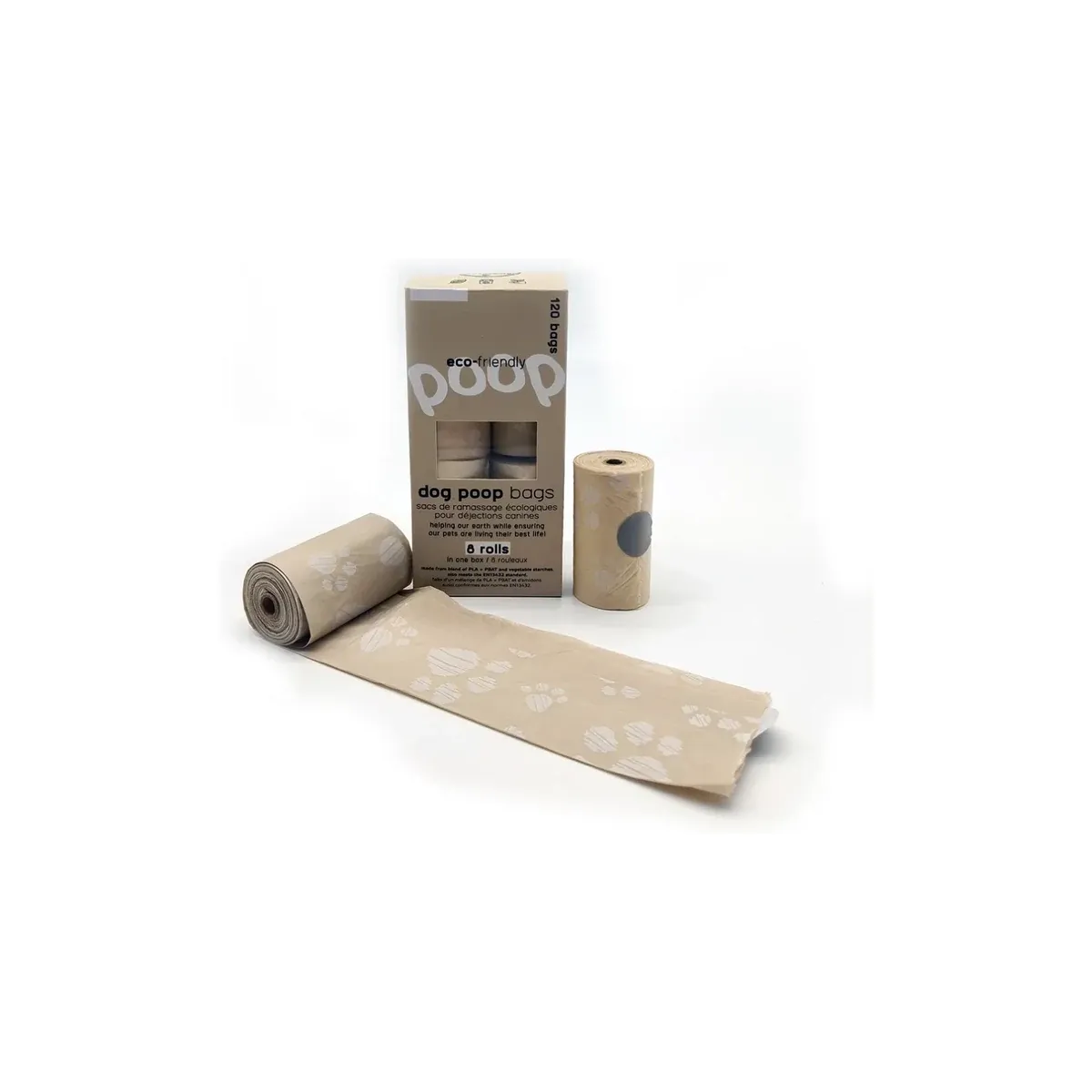
Every import needs a classification. The HS code decides the duty rate, the documentary requirements and sometimes the marketplace listing rules. For dog waste bags the code is usually straightforward, but the material and the destination can change it. This guide explains what to check before the shipment leaves.
How dog waste bags are usually classified
Plastic sacks and bags are generally classified under heading 3923, which covers articles for the conveyance or packing of goods, of plastics. Bags made of polymers of ethylene usually fall under 3923.21; bags of other plastics under 3923.29. Printed or unprinted, the heading is normally the same.
Compostable film is still a plastic for classification purposes in most markets, but some destinations apply specific rules or require additional documentation for the claim. Paper-based packaging is classified separately. Confirm the code with a customs broker for the destination country rather than relying on a supplier's generic statement.
Why the material matters
The declared material drives the code, the duty and any import restrictions. A PE bag, a recycled PE bag and a compostable bag may share a heading but differ in the documents the destination asks for. If the pack carries a compostable claim, the certificate and the thickness limit should be available before the goods arrive.
What to ask your supplier
Ask for the material, the thickness, the dimensions, whether the bag is printed and how it is packed. Then ask for the HS code the supplier uses and the country of origin. A supplier who ships the same code for every product has probably not checked the destination rules.
Documents that usually travel with the shipment
A commercial invoice, packing list and bill of lading are standard. A certificate of origin is needed if a trade agreement is being used. Certification documents support a compostable or recycled-content claim. Keep the invoice description consistent with the HS code and with the packaging artwork.
Common mistakes
Using one code for every bag regardless of material, assuming a compostable claim automatically changes the duty, and letting the invoice description drift from the actual product. Each of these can hold a shipment at customs or trigger a reassessment.
Related pages
See quality and compliance documents for the quality documents that accompany an order, the FOB and DDP comparison for the FOB versus DDP comparison, and the MOQ and sampling guide for the MOQ and sampling process.