Dog Waste Bag Strength and Leak Testing: What Buyers Should Ask For
Which strength tests actually predict field failures in dog waste bags, how to run practical load and leak checks, and what to write into a private-label specification.
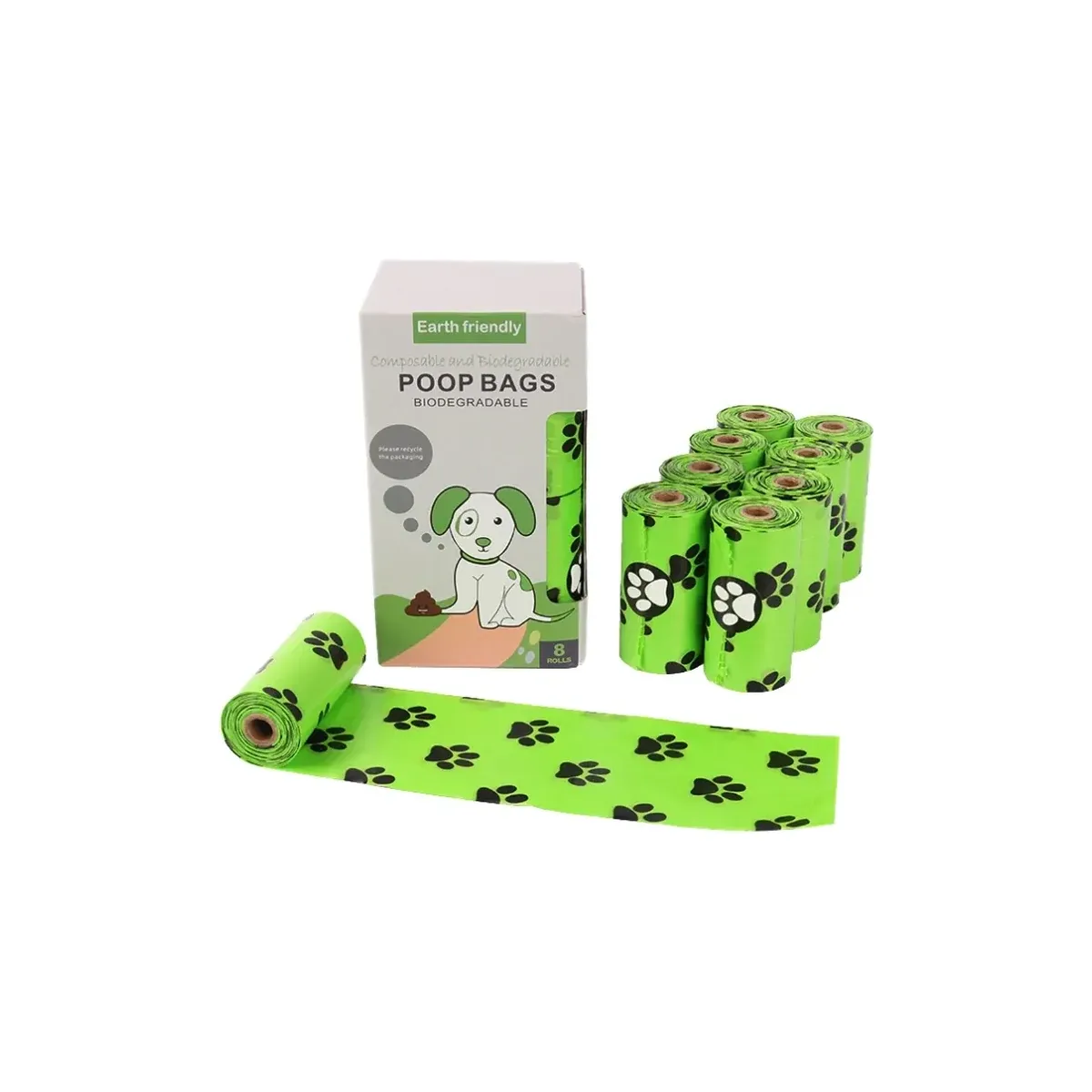
Buyers often describe a bag as strong or weak without defining either. Strength in a dog waste bag is several properties measured in different ways, and a bag that passes one test can still fail in a dispenser or on a walk. This guide covers the tests worth asking for, the checks a buyer can run in an afternoon, and the specification points that prevent disputes.
Strength is more than thickness
Film gauge affects how a bag feels, but three other factors decide whether it survives use: the resin grade and blend, the extrusion quality, and the seal. A well-made 15 micron bag can outperform a poorly made 20 micron bag. That is why a supplier who only quotes a micron number has not described the product fully.
The tests worth asking for
Tensile strength and elongation measure how much the film stretches before it breaks. Tear resistance measures how easily a nick propagates into a rip, which matters at the perforation. Dart impact measures resistance to a sudden point load, similar to a twig or a buckle. Seal strength measures how much force the seam holds before peeling. Ask for the test method and the result, not just a pass or fail.
For each property, confirm the standard used and the direction of the test. Machine direction and transverse direction behave differently, and a supplier can report the better number. If your programme is large enough to justify it, ask for a test report from the production batch rather than a generic catalogue sheet.
Practical checks you can run yourself
A load test is the simplest: place a known weight in the bag, lift it by the closure and hold it for a minute. A water leak test shows seal and pinhole failures quickly: fill the bag, seal or hold it closed, and press gently while watching the seams. A dispenser pull test reveals whether the bag tears at the perforation when pulled at the angle the dispenser forces. Run all three on samples from the same batch, and repeat after storage.
Where bags usually fail
Most field failures start at a seam, the bottom fold or the perforation rather than in the middle of the film. A narrow seal, a cold seal or a contaminated seal line will fail before the film does. Perforations that are too deep tear early; ones that are too shallow do not separate cleanly. On gusseted bags, the gusset fold is another common weak point. Ask the supplier which of these they check and how often.
What to put in the specification
Write down the resin type and any recycled content, the nominal gauge with the tolerance you will accept, the seal width, the perforation style, the roll or pack format, and the test methods you expect. Add an acceptable quality limit for seal failures and a sampling plan. If the bag is compostable, confirm the certification thickness limit before fixing the gauge. A specification with test methods attached is far easier to enforce than a description.
Related products and reading
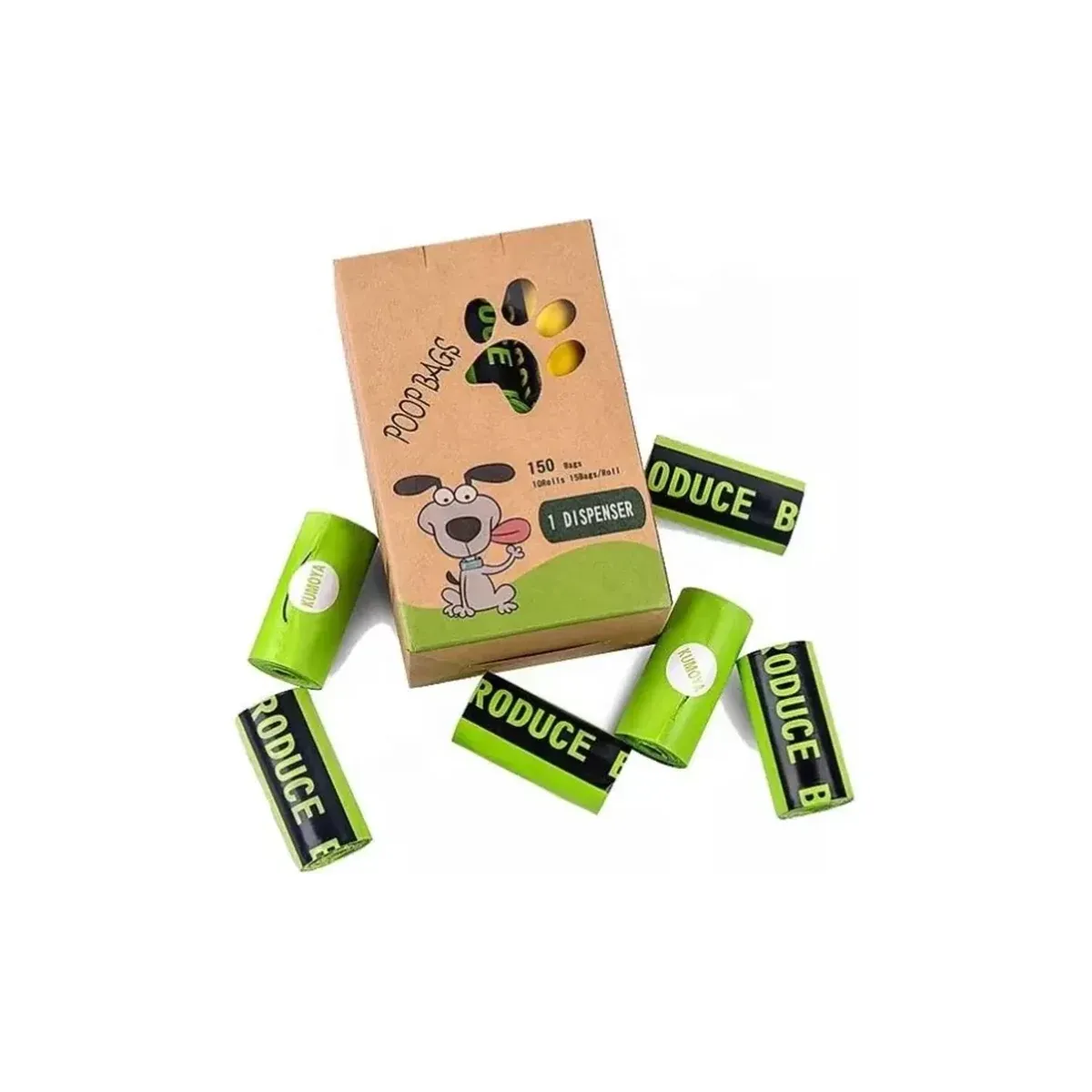
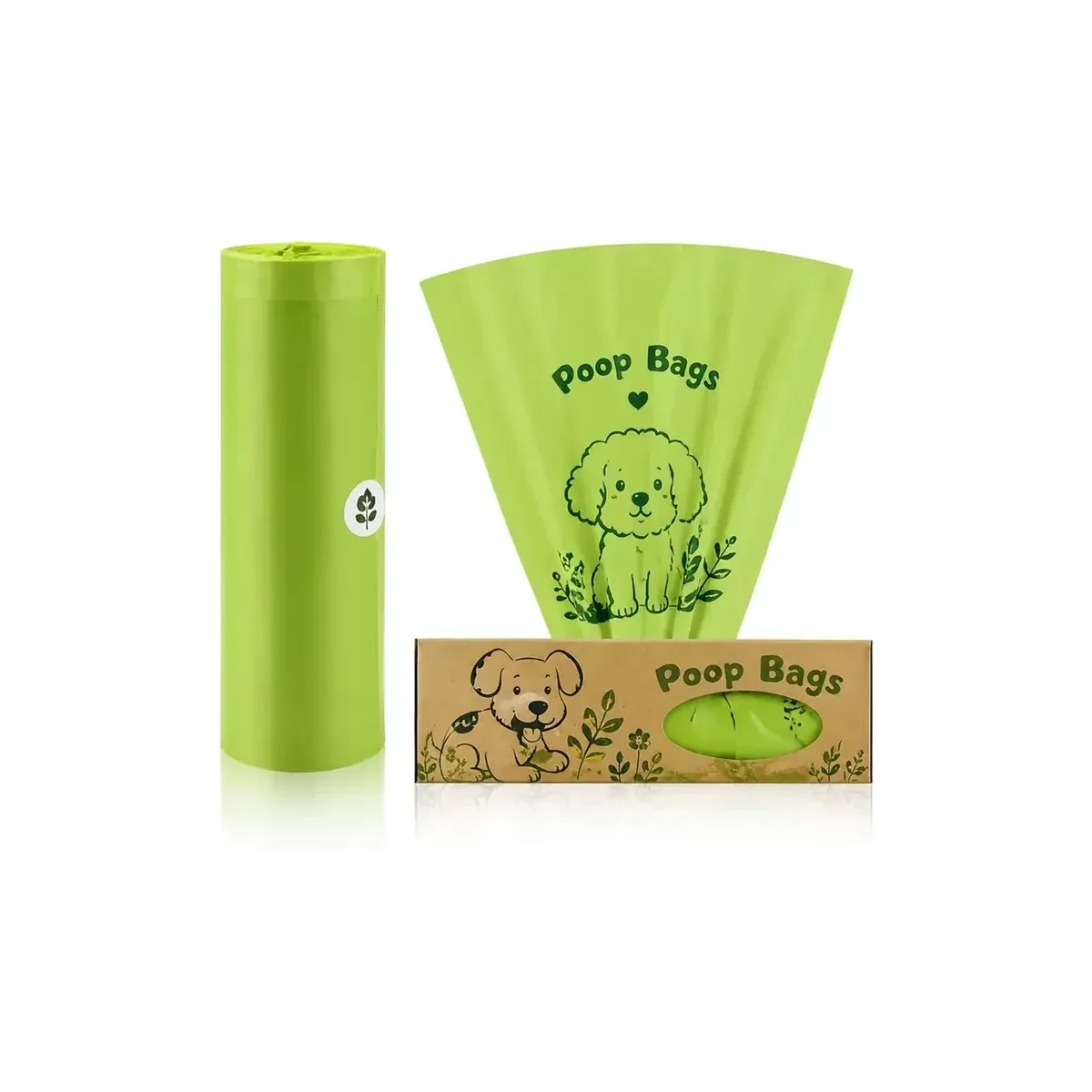
MIRICO produces dog waste bags in roll, drawstring and dispenser-box formats and can supply batch test data on request. See extra-thick dog poop bag refill rolls for a heavy-gauge refill roll and the dog waste bag thickness guide for the thickness guide that explains how gauge relates to strength.