Dog Waste Bag Packaging Options for Retail Brands
Dispenser boxes, refill packs, header cards and bundled sets compared: how each retail packaging format changes shelf presence, unit cost and repeat purchase.
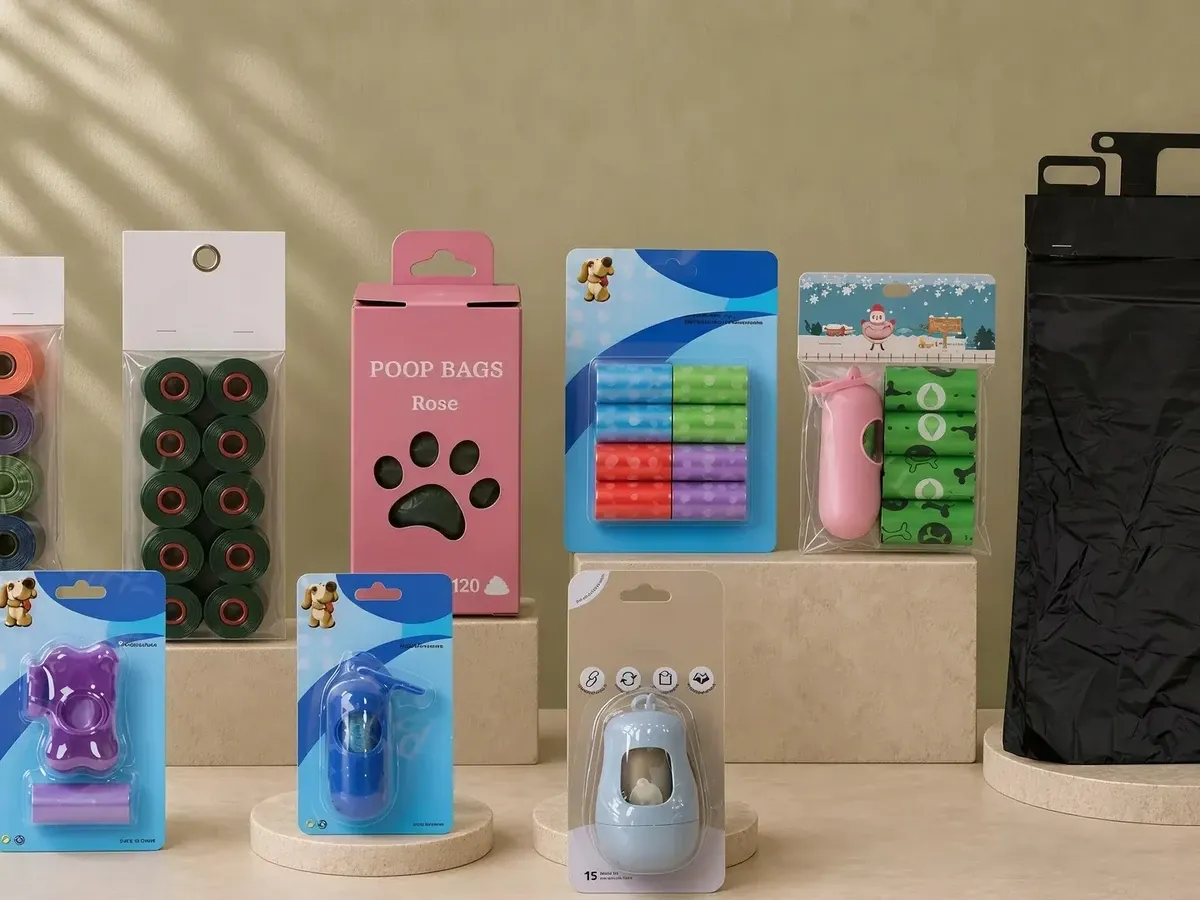
Retail dog waste bags can be presented in dispenser boxes, refill-roll packs or sets with a portable dispenser. The format decides how the product looks on a shelf, how the customer uses it, what it costs per bag, and whether they come back to buy again. Choose a format based on shelf presentation, dispensing experience, pack count and branding area — and provide finished artwork and exact specifications before production.
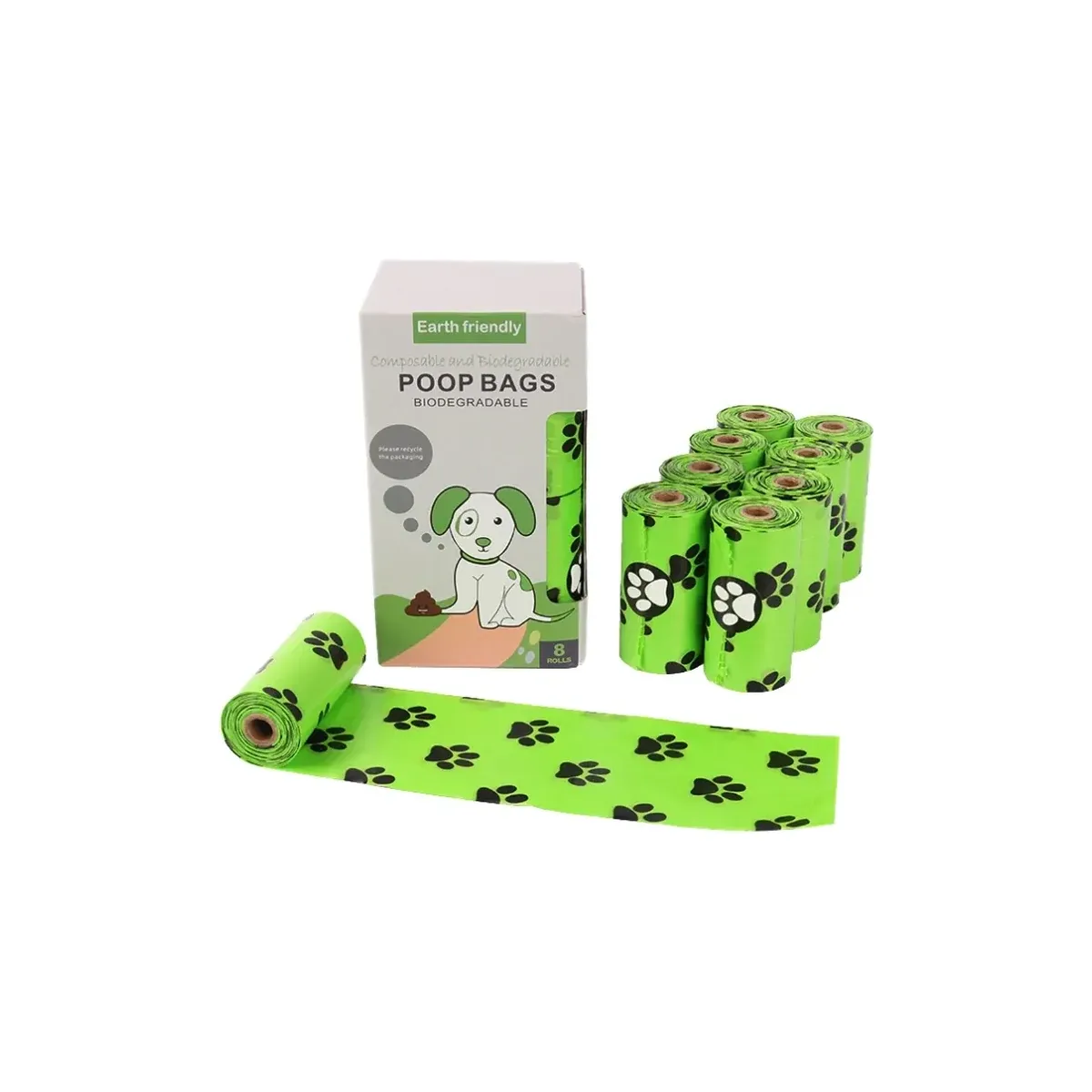
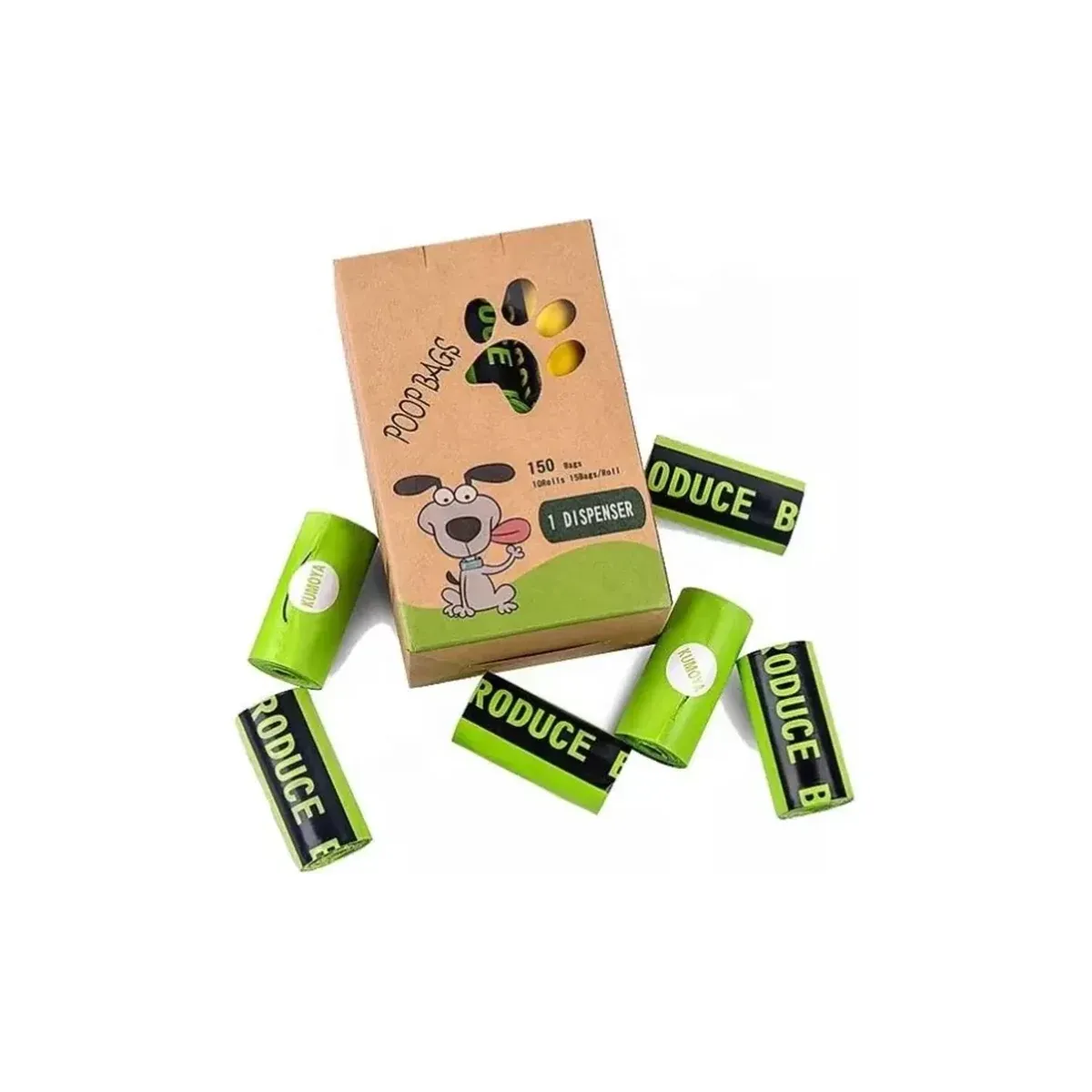
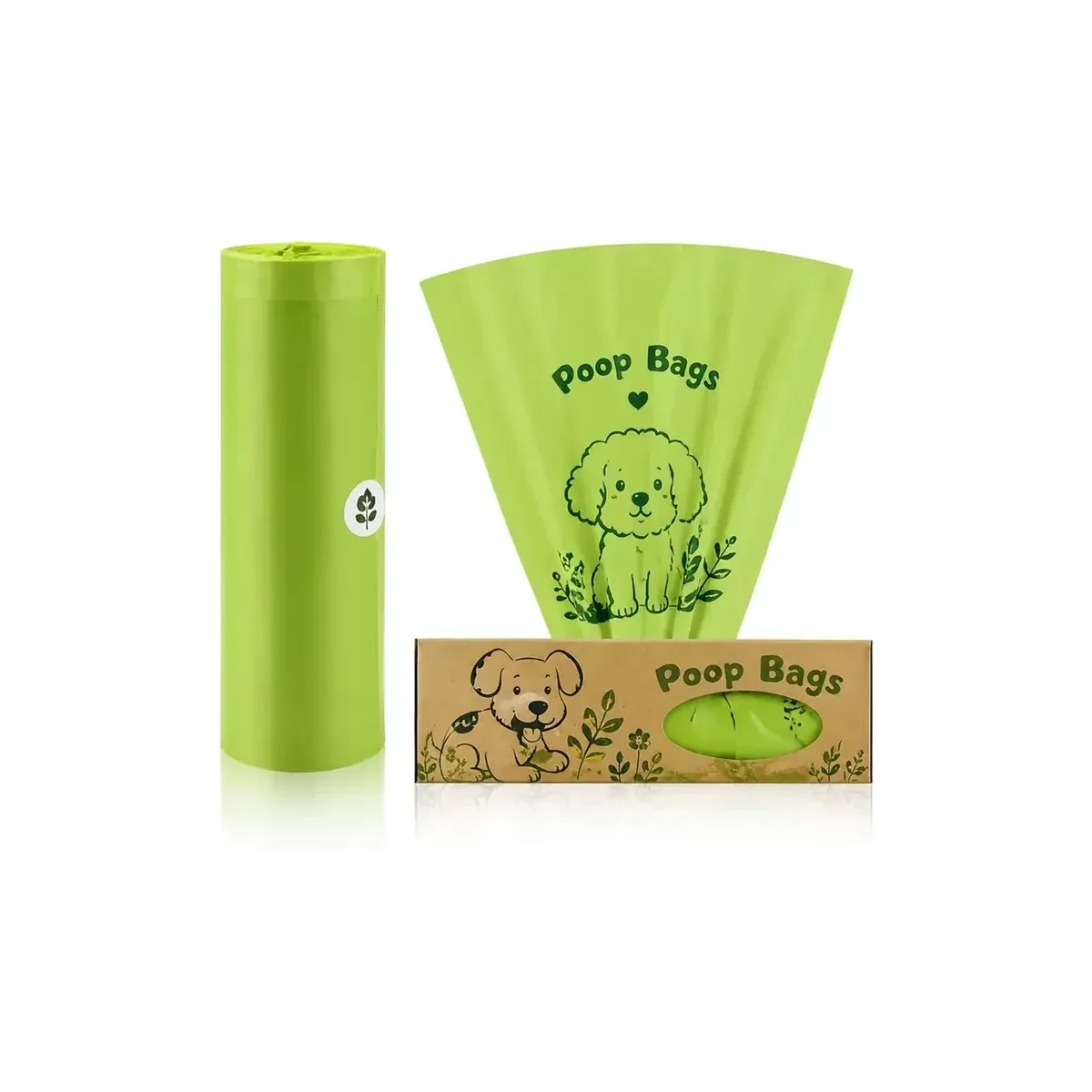
Dispenser boxes: the self-contained option
A dispenser box holds the bags and dispenses them one at a time through an opening in the front. Nothing else is needed to use the product, which removes the most common friction in the category: a customer who owns bags but has no dispenser to put them in.
The box is also the largest printable surface in the range. It carries the brand at the point of sale and then sits in a hallway or by the door, so the branding keeps working after the purchase.
Refill roll packs: where repeat purchase comes from
A refill pack is the cheapest way to present the product, because there is no dispenser and often no rigid box. That makes it the natural second purchase: the customer buys the dispenser set once, then repurchases refills indefinitely.
For a private-label range, refills are usually the volume item and the dispenser set is the entry product. If you only launch one format, launch the refill — but make sure it fits the dispensers your customers already own.
Refill rolls wound on a standard core are available as extra-thick refill rolls or in a standard weight.
Bundled sets: dispenser plus bags
Selling the dispenser and the bags together is the most efficient route to a retail-ready product. The dispenser, the roll count and the packaging are specified as one unit, so the set arrives ready to hang on a shelf rather than being assembled locally.
The trade-off is cost: a bundled set carries a dispenser, a roll and packaging in one SKU, so it sits at a higher price point than a refill pack. It suits entry-level listings, gift and starter bundles, and channels where a low price point matters less than a complete product.
Header cards versus printed boxes
A printed header card is the lowest-cost way to brand a roll: the card is stapled or folded over the roll and carries the logo, the pack count and a barcode. It is inexpensive and it works on a hook or in a shallow basket.
A printed box costs more but gives you a flat surface, a place for directions and claims, and protection in transit. Boxes also stack predictably in a carton and on a shelf, which matters when a retailer is planning a planogram. If the product is going into a supermarket or a pet chain rather than a hook display, the box is normally the right answer.
Pack count drives the shelf price
The same bag can be sold as a 60-count entry pack, a 120-count standard pack or a 240-count value box. Pack count is the main lever on shelf price, and it is usually the first thing a retailer asks you to adjust. Before committing to a count, check what the rest of the category on that shelf is doing — being the cheapest per bag is a strategy, but being an odd size next to everything else is not.
Roll count within the pack matters too. Fifteen bags per roll is the most common configuration; a different count may not fit the dispensers your customers already have.
What to decide before you commission artwork
Printing is the single item that most affects both lead time and unit cost, and it is set up per artwork. Confirm the design before a production run rather than treating print as a late change. Before artwork goes to the printer, settle: bag format and dimensions, film thickness and material, bag colour, number of print colours, roll and pack count, the packaging format itself, and the bag count printed on the front.
For the bag itself, custom-printed waste bags cover print up to multi-colour on the bag or on a header card.
Claims and documentation
Only use product, material and certification claims that are supported by current documentation. If the packaging says compostable, the film specification has to sit inside the certified thickness limit for that material — a bag produced above it cannot carry the claim. Recycled-content wording depends on what your market and your retailer accept. Settle the claim before the artwork is finalised, because changing a claim after printing means reprinting the packaging.
See our guide to compostable dog waste bag certifications for the standards, certificate numbers and thickness limits behind each mark.
Talk to MIRICO
Email carol@rdypackaging.com or call +86 153 6388 5006 with your bag format, packaging direction and estimated first order quantity, and we will come back with a specification and a quotation.