Sep 21, 2026
How to Choose a Dog Waste Bag Manufacturer: 8 Checks
Material sourcing, film quality, printing, dispenser fit, documentation, sampling, capacity and communication: the eight checks that identify a dependable dog waste bag manufacturer.
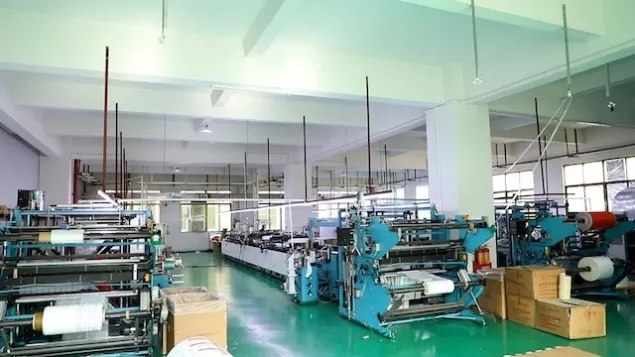
Choosing a manufacturer for a dog waste bag program is really a chain of checks. Each one can be verified early, and each one that cannot be verified becomes a production risk later. This guide lists the eight checks that consistently separate dependable suppliers from the rest, in the order they usually matter.
1. Material Sourcing and Certifications
A manufacturer should be able to name the resin or material family it runs, and produce the certificate for it on request. For standard PE that means a consistent film spec; for recycled PE it means documented PCR content; for compostable film it means the certification number, standard and maximum thickness the certificate covers. A supplier who answers these questions in one pass has done this before.
2. Film Quality and Seam Performance
Film thickness, seal strength and leak resistance decide how the finished bag performs in the customer's hand. Ask for the exact micron thickness quoted, the seam method, and any tensile, puncture or seal test data available. A 10 micron film and a 15 micron film are different products with different costs - the quote should make clear which one it describes.
3. Printing and Artwork Capability
Custom printing is where private-label programs differentiate. Confirm the printing method, the number of colors supported, whether plate or tooling charges apply, and how artwork proofs are approved. Ask what the print registration looks like on a finished roll, not only on a flat proof.
4. A Dispenser Ecosystem
Bags rarely sell alone. Manufacturers who also supply dispensers - capsule shapes, bone or candy styles, silicone versions, with carabiner or strap attachments - let you match roll dimensions to the dispenser housing and sell a coordinated system. Confirm the fit check: roll outside diameter, core format, dispensing slot and first-bag pull.
5. Export Experience and Documentation
For buyers importing to the US or Europe, the supplier's paperwork matters as much as the product: commercial invoice formats, packing lists, certificate of origin, and the ability to prepare cartons and labels to the destination's requirements. Amazon sellers should additionally confirm FNSKU and carton label application, and shipment to Amazon fulfillment centers or a freight forwarder.
6. A Real Sampling Process
A serious sampling process has two stages: a neutral sample kit for specification decisions, then a pre-production sample made to the exact intended material, print and packaging. The second sample is the one that should be approved and kept as the production reference. Manufacturers who skip the second stage tend to have 'the sample was fine' conversations later.
7. Capacity and Lead Times by Volume
Lead time is a volume-dependent number, not a single figure. Ask for production lead time at each quantity tier you are considering, plus the monthly capacity of the line that would run your job. This is how you find out whether a 50,000 box follow-up order is realistic before you commit to the first 5,000.
8. Communication and Accountability
The final check is how the supplier answers. Responses that cite specifics - dimensions, thicknesses, certificate numbers, dates - reflect an operation that works from records. Responses that stay general usually continue to stay general through production. Read the quality of the answer as part of the quote.
A manufacturer who passes all eight checks is rarely the cheapest quote on the list, and it is usually the quote that ships on time. MIRICO manufactures private-label dog waste bags, dispensers and pet cleaning products, with OEM and ODM support from sampling to shipment. Send your target specification and we will confirm formats, materials and packaging before sampling.